Metals & design
14K vs. 18K Gold and Platinum: Choosing Your Ring Metal
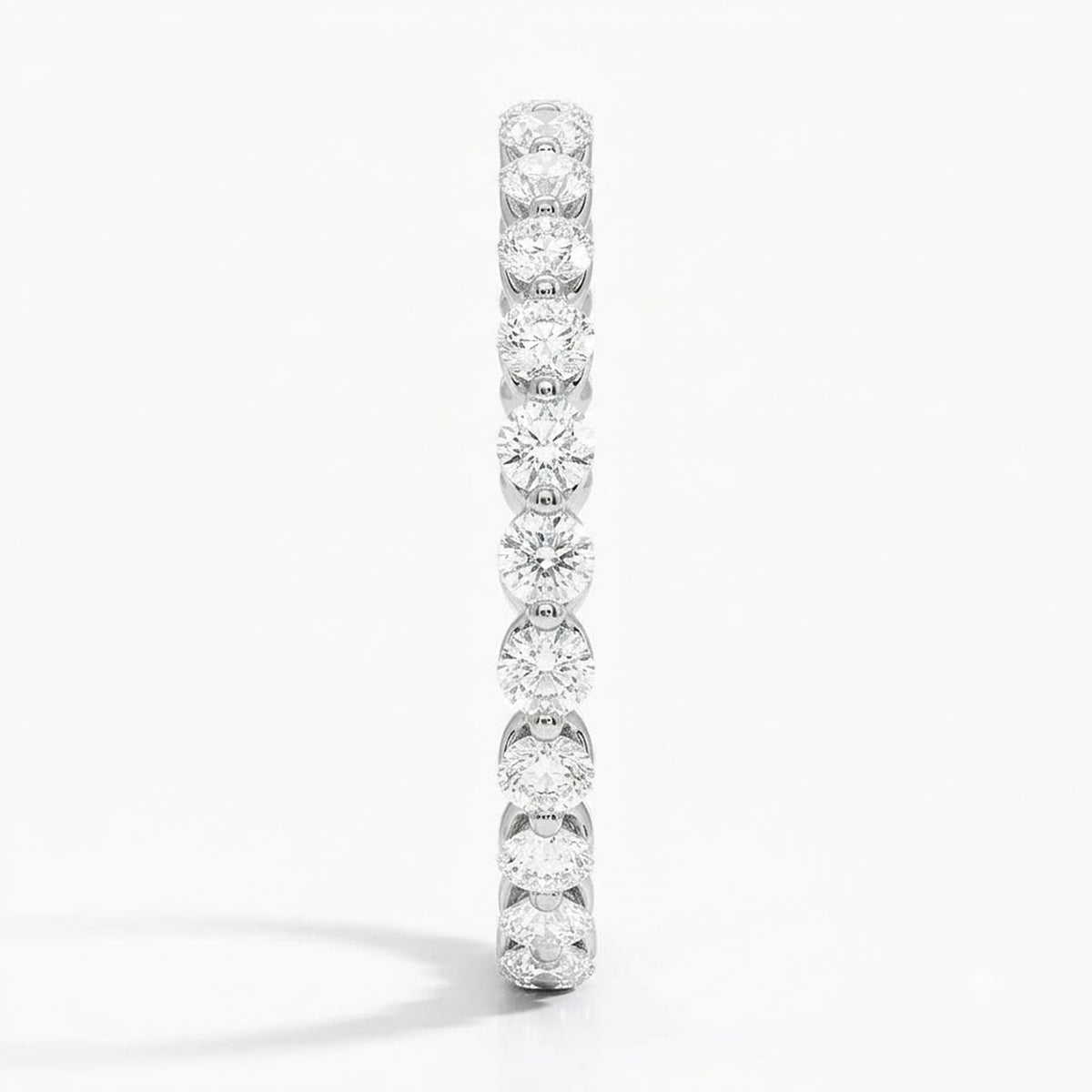
Metal influences the character of a ring long before you notice its smallest details. Warm yellow gold, soft rose tones and white metals frame a diamond differently. Your best choice should also account for how the ring is made, how you wear it and the care it will need.
What 14K and 18K mean
Gold karat describes the proportion of gold in an alloy. Fourteen-karat gold is 14 parts gold out of 24; 18K is 18 parts out of 24, or 75 percent. The other metals affect properties such as color and hardness. Karat is different from diamond carat, which measures weight.
Choose using an example of the actual alloy and finish if possible. An 18K upgrade is not simply a brighter version of every 14K ring. Ask how the selected alloy affects the design, appearance, maintenance and final price.
White gold and platinum are different materials
White gold is a gold alloy and is often rhodium-plated. That finish may need renewal over time. Platinum is naturally white, feels relatively dense and can develop a patina with wear. Neither choice means a ring can never scratch or require inspection.
If you have known metal sensitivities, ask for the exact alloy composition and discuss appropriate choices with a qualified professional. Avoid assuming that a metal color alone tells you which alloying elements are present.
Where silver fits
Sterling silver is commonly marked 925, indicating 92.5 percent silver. It can tarnish and is softer than many metals used for engagement rings. Ask whether a particular silver design and setting construction are suitable for your intended wear. A silver option is not an automatic substitute for another metal in every design.
Make two-tone choices explicit
For a two-tone ring, specify the band metal and the head or prong metal separately. Ask for a drawing or clear reference showing the boundary between them. A color swatch should not be treated as proof that an image shows your precise combination.
Compare itemized quotes for the same design and ring size. Charges can vary with construction and metal combinations, so a competitor’s price is not a promise about your own ring.
Before you approve
- Confirm metal, fineness, color and surface finish in writing.
- Ask what plating or routine maintenance applies.
- Check ring sizing and future adjustment limitations.
- Review the complete price for any upgrade or two-tone work.
Explore the metal guide or discuss your preferred combination with TJS.
Further reading: GIA: Engagement ring buying tips; GIA: White metal options.