Lab-Grown Diamonds
Are Lab-Grown Diamonds Real? What Makes a Diamond a Diamond
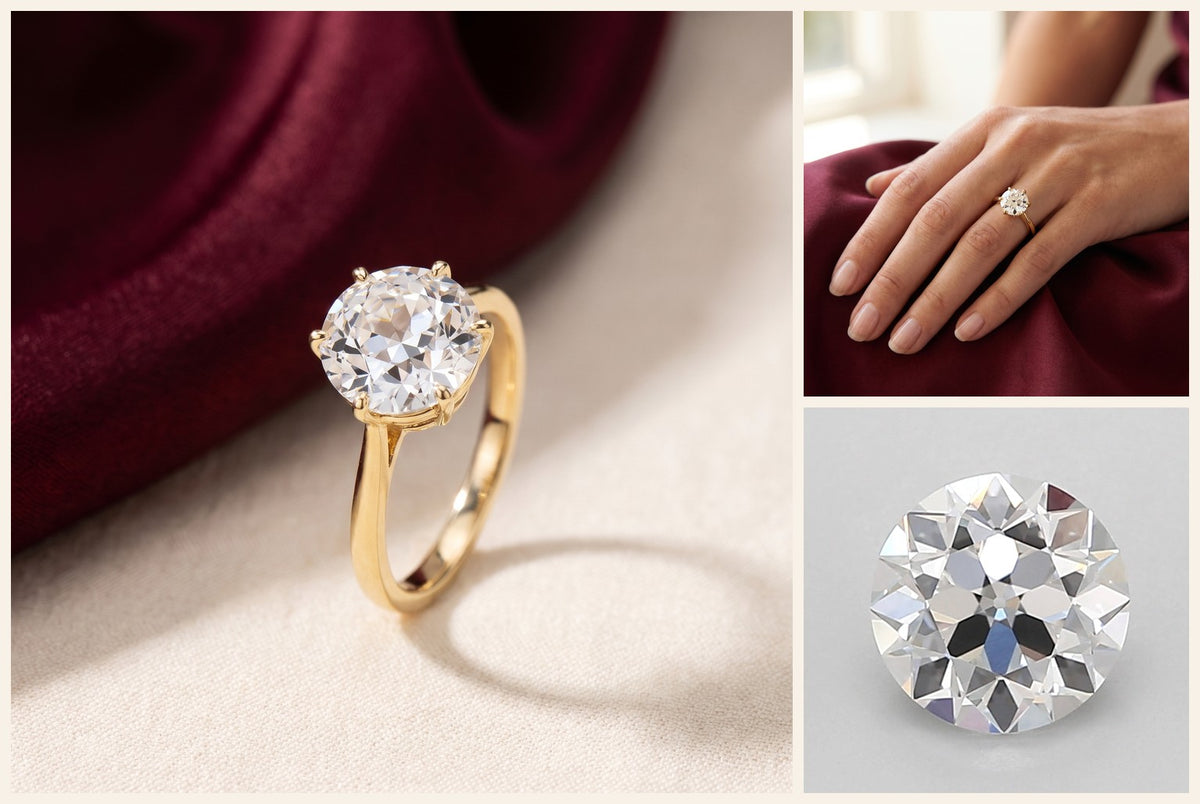
Are lab-grown diamonds real? Yes. They are pure carbon crystallized in the same cubic structure as a mined diamond, with the same hardness, the same fire and the same chemistry. The only difference is origin: one formed deep underground over a very long time, the other was grown in a controlled chamber.
The question usually comes from a good place. People want to know they are not buying a look-alike. So let us be precise about what a diamond is, what a lab-grown diamond is, and what it is not.
What Makes a Diamond a Diamond
A diamond is defined by what it is made of and how its atoms are arranged, not by where it came from. Carbon atoms locked into a tight cubic lattice give diamond its signature properties: a 10 on the Mohs hardness scale, a high refractive index that bends light into brilliance and fire, and an unusual ability to conduct heat.
A lab-grown diamond has every one of those properties because it is the same material. It is not coated, not a composite and not a different mineral that happens to look similar. Cut it, polish it and grade it, and it behaves exactly like a diamond, because it is one.
US rules reflect this. The Federal Trade Commission's Jewelry Guides treat a diamond as a diamond whatever its origin, and they require a lab-grown stone to be clearly described as lab-grown, laboratory-created or in similar words, so buyers know what they are getting. That disclosure is about origin, not authenticity.
How Real Lab-Grown Diamonds Are Made
There are two main methods. HPHT, short for high pressure, high temperature, recreates the crushing heat and pressure under which diamonds form in nature. CVD, short for chemical vapor deposition, builds a diamond layer by layer from carbon-rich gas onto a thin diamond seed. Our diamonds are CVD lab-grown.
Either way, the result is a rough diamond crystal. From that point on, it goes through the same cutting, polishing and grading as any other diamond.
Lab-Grown Diamonds vs Look-Alikes
Most of the confusion comes from lumping lab-grown diamonds in with simulants, stones made from different materials to imitate diamond. Here is how they compare.
- Lab-grown diamond: crystallized carbon, identical to mined diamond in structure and chemistry. The same brilliance, fire and hardness. Suits any setting, from prongs to bezels to pavé.
- Mined diamond: the same crystallized carbon, formed underground. Identical light performance for the same cut quality. Suits any setting.
- Moissanite: silicon carbide, a different mineral. It throws noticeably more rainbow fire than diamond and is slightly softer. Durable enough for everyday rings, but it is not a diamond.
- Cubic zirconia: zirconium dioxide, a much softer material. It can look convincing when new but scratches and dulls with wear. Best for costume or trial pieces.
- White sapphire: colorless corundum. Less brilliant than diamond and can look glassy. Hard and durable, but not a diamond.
How to Know a Lab-Grown Diamond Is Real
Three things tell you what you are buying.

The grading report. A loose lab-grown diamond should come with a report from an independent laboratory that confirms it is a diamond, states that it is lab-grown and records its color, clarity and measurements. Our 1.00 carat Euro Cut Lab-Grown Diamond, for example, is graded by IGI as D color and VVS2 clarity, with Excellent cut, polish and symmetry, and it measures 6.30 × 6.32 × 3.93 mm.
The disclosure. Under US rules a lab-grown diamond must be identified as lab-grown. Every diamond we set is lab-grown, and we describe ours that way.
The testing. A standard thermal diamond tester reads a lab-grown diamond as diamond, because thermally it is one. Telling lab-grown from mined takes specialized laboratory equipment that studies growth patterns and trace elements, which is exactly why the report matters.
What We Set in Our Jewelry

Most of our finished jewelry is set with lab-grown diamonds graded E/F color and VVS clarity, a colorless, very clean standard that holds up under close inspection, and each piece lists its own grade. Our Seabright Eternity ring, for instance, carries round lab-grown diamonds all the way around the band in shared prongs, about 1 ct. tw. in E/F color and VVS1/VVS2 clarity, with open prongs that let light through each stone.
If you are weighing origin itself, our guide to lab-grown vs natural diamonds covers what is worth comparing beyond the question of real.
Questions People Ask
Are lab-grown diamonds fake?
No. A fake diamond is a simulant, a different material made to look like diamond, such as cubic zirconia. A lab-grown diamond is real diamond: the same carbon crystal with the same hardness and optical properties. It differs from a mined diamond only in where and how it formed.
Will a lab-grown diamond pass a diamond tester?
Yes. A standard thermal diamond tester identifies a lab-grown diamond as diamond, because it conducts heat the same way. Separating lab-grown from mined requires advanced laboratory instruments that study growth features, which is why an independent grading report is the clearest record of what you own.
Can a jeweler tell if a diamond is lab-grown?
Not by eye or with a standard loupe, because the two are the same material. Gemological laboratories use specialized equipment to detect differences in growth structure and trace elements. Reputable labs state lab-grown origin on the grading report and often inscribe it on the diamond's girdle as well.
Do lab-grown diamonds get cloudy over time?
No. A lab-grown diamond is the same crystal as a mined one, so it does not fade, cloud or wear away. What dulls any diamond is a film of skin oil, lotion and soap on its surface, and a gentle clean with warm water, mild soap and a soft brush restores the sparkle.
Real is not a question of where a diamond began. It is a question of what it is.
Questions? Write to us at info@thejewelrystudio.us.